If you are deciding between southern Wyoming and northern Colorado, you are really weighing two different paths to homeownership. You may be asking whether a lower entry price matters more than staying in the Colorado market, or whether monthly costs will feel better on one side of the border than the other. The good news is that the choice gets clearer when you compare prices, taxes, inventory, and property details side by side. Let’s dive in.
Compare Home Prices First
For many buyers, price is the starting point, and the numbers here show a meaningful gap. In ZIP code 80526, Redfin reported a February 2026 median sale price of $515,000, while Fort Collins citywide came in higher at $535,000.
A second snapshot of 80526 from the same market area shows a slightly different angle. According to the research provided, realtor.com's March 2026 summary showed a median listing price of $479,000, 134 active listings, a 31-day median time on market, and a 99% sale-to-list ratio. That tells you the northern Colorado market remains active, with buyers still paying close to asking price on many homes.
Cheyenne offers a lower entry point. In February 2026, the median sale price there was $369,900, with 77 homes sold. If your goal is to stretch your budget further, southern Wyoming may give you more options at a lower price.
Understand Market Size and Pace
Price is important, but market depth matters too. In 80526, the research shows a broad range of listing types, including houses, land, townhouses, condos, luxury homes, and vintage homes. That kind of mix can be helpful if you want more flexibility in property type or price point.
Fort Collins is also the larger overall market. The U.S. Census QuickFacts for Fort Collins show a 2024 population estimate of 170,924, compared with 65,704 in Cheyenne. A larger market can mean more housing choices, but it often comes with more competition and higher prices.
Cheyenne is smaller and generally more affordable. That can appeal to buyers who want a less expensive path into ownership or more land for the money. If you are open to a broader search area, southern Wyoming may deserve a closer look.
Look Beyond Price to Monthly Costs
Two homes with similar sale prices can still have very different monthly costs. That is why it helps to compare not just the purchase price, but also taxes and other carrying costs.
Wyoming has a simpler state tax structure for many owners. According to the Wyoming Legislature's 2025 tax rate summary, Wyoming has 0% individual income tax, 0% corporate income tax, and a 4% state sales tax.
Colorado works differently. The research notes that Colorado has a state individual income tax and a 2.9% state sales tax before local taxes are added. For some buyers, that difference may affect the bigger household budget picture, especially if you are comparing long-term ownership costs.
Compare Property Tax Mechanics
Property taxes are not as simple as picking the lower-tax state. The actual bill depends on assessment rules, tax districts, and the specific parcel.
In Colorado, Larimer County explains property tax as actual value multiplied by the assessment rate, then multiplied by the mill levy, divided by 1,000. The research report notes that residential property is assessed at 6.25% for local governments in tax year 2025 and 7.05% for school districts. In Fort Collins tax areas cited by Larimer County, total mill levies commonly range from about 92.586 to 102.510 mills, depending on the district stack. You can review that structure in the Larimer County 2025 mill levies table.
In Laramie County, the research shows Cheyenne city districts around 70.54 mills in a standard city district and 90.54 mills where the DDA applies. Wyoming residential and commercial property is assessed at 9.5% of market value, based on the state tax summary.
The key takeaway is simple: state tax reputation does not automatically tell you what your property tax bill will be. You need parcel-level numbers to compare two homes accurately.
Match the Area to Your Priorities
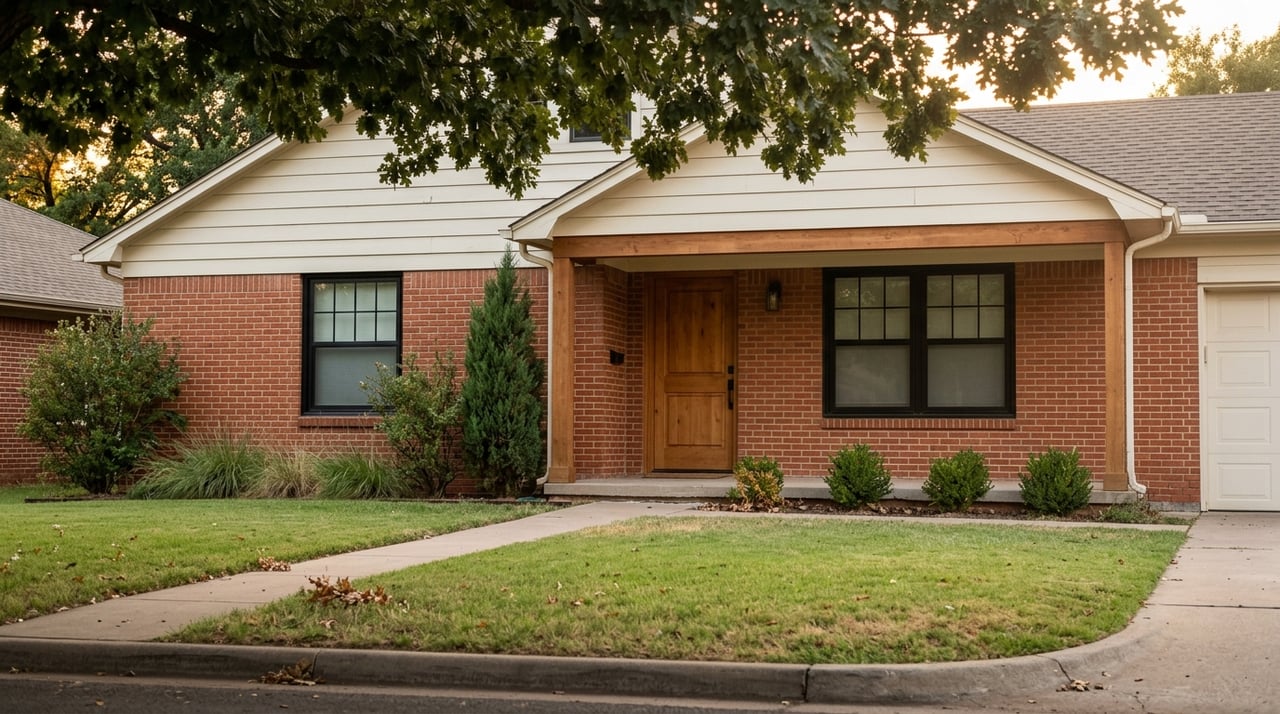
Your best fit depends on what matters most in your search. If you want to stay connected to the northern Colorado market, 80526 and Fort Collins offer a larger housing base and a wider range of residential options.
The Census QuickFacts data for Fort Collins also shows a median owner-occupied home value of $577,900 and median gross rent of $1,690. In Cheyenne, the comparable figures were $333,700 for median owner-occupied home value and $1,118 for median gross rent. Those numbers reinforce the same pattern seen in sale prices: Fort Collins is the higher-cost option, while Cheyenne is generally more affordable.
That does not mean one market is better than the other. It means each market tends to serve different goals. Northern Colorado may make more sense if you want to remain in the Colorado market and focus on Fort Collins-area living. Southern Wyoming may make more sense if budget, space, or a simpler state tax profile is higher on your list.
Pay Attention to Land and Acreage Issues
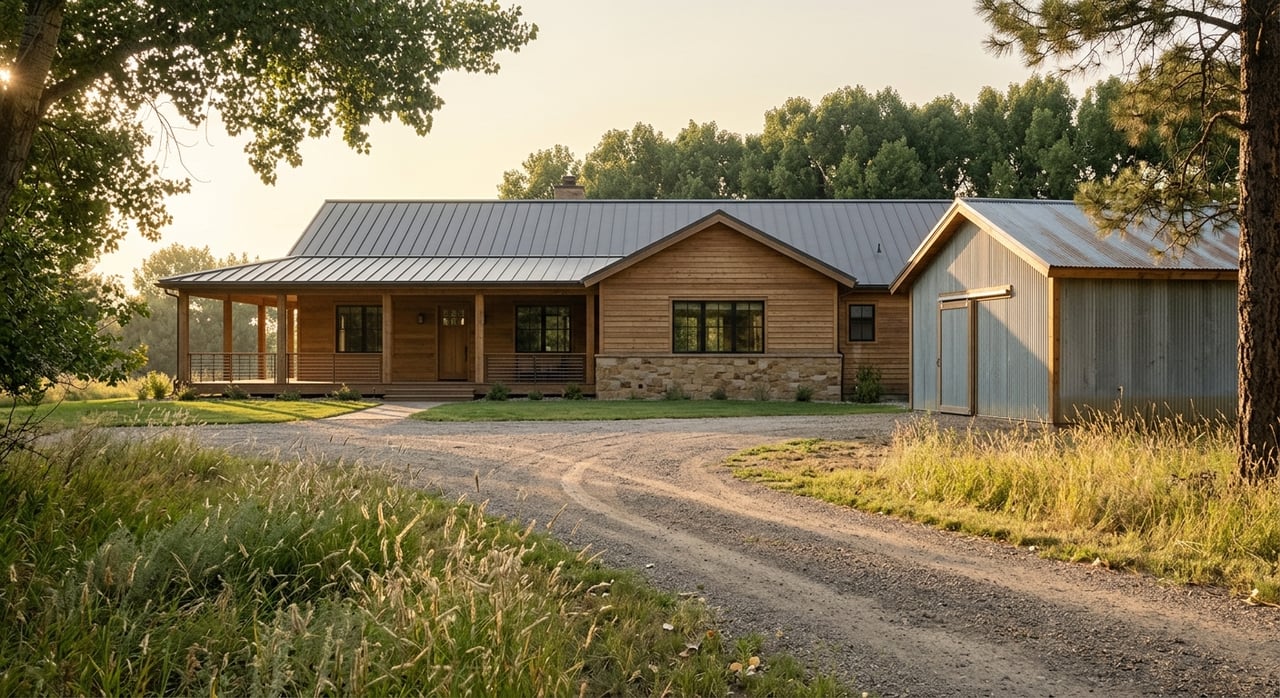
If your search includes acreage, vacant land, or rural property, the border comparison gets more detailed. The research report notes that Wyoming vacant-land disclosures may address unified estate status, whether the mineral estate has been severed, whether the wind estate has been severed in some areas outside city or town boundaries, and practical issues such as utilities, road maintenance, water, sewer, fire protection, and easements.
Colorado land can involve similar questions. The research also notes that split estates are common in Colorado and that the mineral estate is the dominant estate. For some parcels, buyers may need title research or guidance from a landman or mineral title attorney to confirm ownership interests.
If you are shopping for land, bedroom count is only part of the story. Surface rights, access, utilities, easements, and estate separation can shape the value and future use of a property.
When Southern Wyoming May Fit Better
Southern Wyoming may be the stronger choice for you if these priorities lead your search:
- Lower entry prices
- More space for the money
- Interest in land or acreage
- Preference for Wyoming's simpler state tax profile
- Flexibility to buy outside the northern Colorado core
Cheyenne stands out as the clearest comparison point in the research. With a median sale price well below 80526 and Fort Collins citywide, it can be a practical option for buyers who want affordability first.
When Northern Colorado May Fit Better
Northern Colorado may be the better fit if your goals lean more toward market size and location. Based on the research, 80526 and Fort Collins make sense for buyers who want to stay in Colorado, access a larger housing base, and focus on the Fort Collins lifestyle and surrounding market.
That can be especially important if your search includes single-family homes, townhomes, condos, or infill residential options rather than mostly rural property. In 80526, the mix of housing types points to a more varied inventory base than you may find in a smaller market.
A Smart Way to Compare Both Sides
If you are seriously weighing both areas, compare them using the same checklist. That helps you move past assumptions and focus on the costs and tradeoffs that affect your daily life.
Use this short list as you narrow your options:
- Compare median price ranges in your target property type
- Estimate monthly payment, including taxes and insurance
- Review the property's tax district, not just the state
- Confirm whether land, mineral, or wind rights affect the parcel
- Check utilities, water, sewer, easements, and road maintenance for rural properties
- Weigh whether staying in Colorado or buying in Wyoming better matches your long-term plans
A side-by-side review often makes the right choice feel much more obvious.
Final Thoughts on the Border Decision
Buying in southern Wyoming or northern Colorado is not just a price question. It is a lifestyle, budget, and property-type decision that works best when you look at the full picture.
Based on the research, southern Wyoming often offers a lower entry point and simpler state tax structure, while northern Colorado offers a larger, higher-priced housing market anchored by Fort Collins and nearby communities. If you are comparing homes, land, or future development opportunities across the border, having local guidance can help you evaluate the details that are easy to miss.
If you want help comparing northern Colorado options with select southern Wyoming opportunities, connect with Scallon Real Estate for practical, local guidance tailored to your goals.
FAQs
What is the main price difference between southern Wyoming and northern Colorado homes?
- Based on the research provided, Cheyenne had a February 2026 median sale price of $369,900, while 80526 was at $515,000 and Fort Collins citywide was $535,000.
What should buyers know about property taxes in Fort Collins and Cheyenne?
- Property taxes depend on assessment rules, mill levies, and the specific parcel, so you need a home-by-home comparison rather than assuming one state is always lower.
What makes 80526 in Fort Collins appealing to buyers?
- The research shows 80526 offers a broad mix of property types and access to the larger Fort Collins housing market, which can give you more options if you want to stay in Colorado.
What should buyers ask about southern Wyoming land or acreage?
- Buyers should ask about mineral estate status, wind estate status where relevant, utilities, easements, water or sewer service, fire protection, and road maintenance.
How can buyers decide between Cheyenne and Fort Collins areas?
- A practical approach is to compare price, monthly carrying costs, tax district details, property type, and whether Colorado or Wyoming better matches your long-term plans.