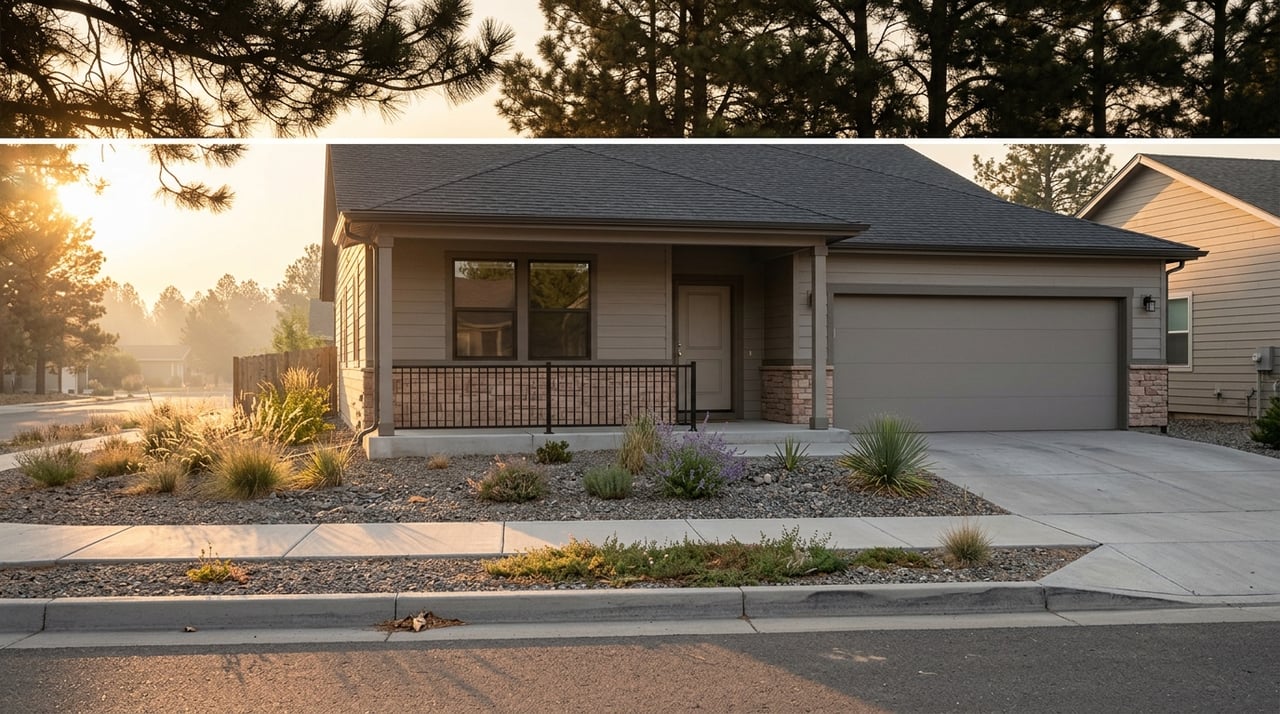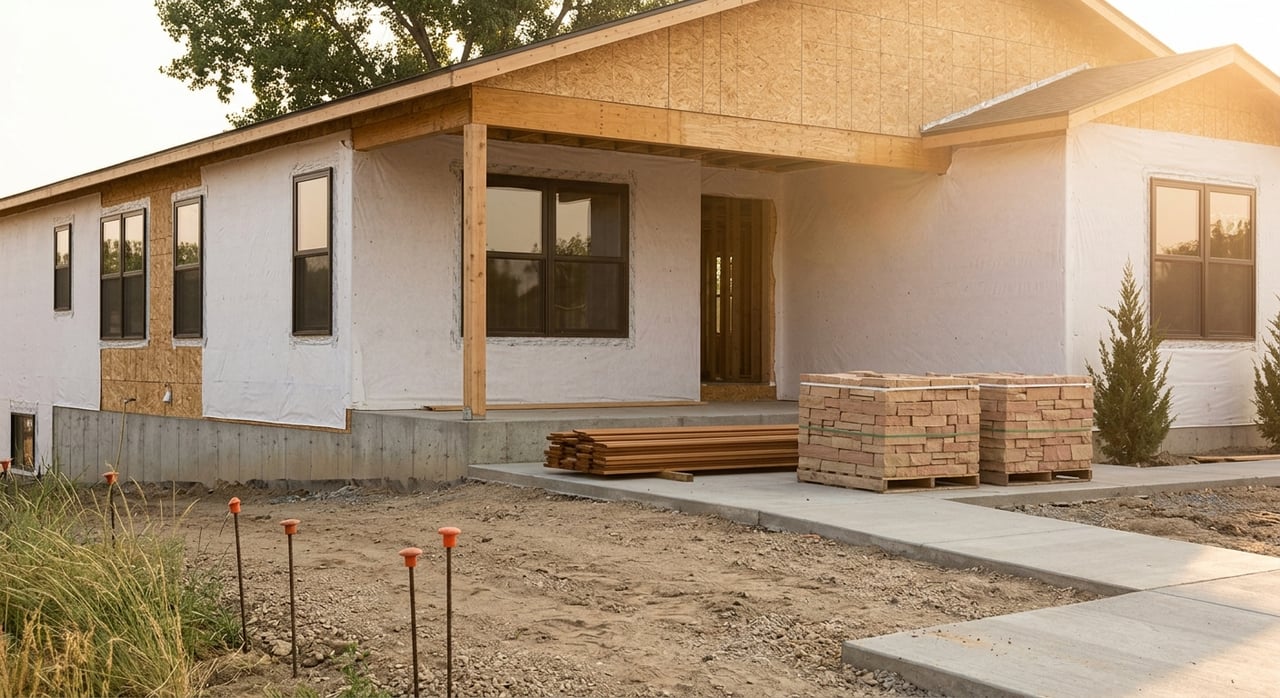
Wondering when a new construction home in Northern Colorado will actually be ready? That is one of the most common questions buyers ask, and the honest answer is that the timeline is rarely a single date on a calendar. If you are buying in Windsor or nearby communities, it helps to understand the steps that happen before, during, and after the build so you can plan with more confidence. Let’s dive in.
New construction timing starts before digging
When people talk about how long it takes to build a house, they often picture the period from foundation to final walkthrough. In reality, the clock starts earlier with lot research, plan review, permits, and builder scheduling. That is why two homes with similar floor plans can have very different move-in dates.
Census data for 2024 shows that 46% of U.S. single-family homes were completed in 4 to 6 months after construction start. At the same time, 13% took 13 months or more. In the West, 44% finished in 4 to 6 months, while 18% took 13 months or more, which shows why it is smarter to think in ranges instead of promises.
A 2025 Homes.com explainer based on 2024 Census data puts the average at about 7.7 months from start to completion, plus roughly 1.4 months for permitting. Census also defines construction start as excavation for the footings or foundation, which means the permit process and pre-construction work happen before that milestone.
What the timeline usually looks like
For most buyers, the easiest way to understand new construction timing is to break it into phases. The process usually moves from pre-construction planning to site work, then the structure itself, then finishes, inspections, and final approval for move-in.
Pre-construction and approvals
Before excavation begins, there is often a long list of tasks happening behind the scenes. These can include survey work, soils testing, utility applications, financing, schedule planning, contract review, deposit timing, and permit submittal.
If you are buying a lot or building on land, this stage can also involve checking zoning, confirming utility providers, and making sure the parcel is ready for the intended use. In Windsor, the town encourages a free concept review so applicants can get early feedback on a preliminary site plan. That early step can help surface issues before they become bigger delays later.
Site work and foundation
Once approvals are in place and the builder is ready to start, excavation begins. Then come footings, foundation work, and the early site preparation needed to support the structure.
This is the point many buyers think of as the real start of the build. It is an important milestone, but it is only one part of the overall timeline.
Framing and dry-in
After the foundation, the home moves into framing and roof installation. Once the shell is up and the roof is in place, the home reaches the dry-in stage.
This phase often feels exciting because you can finally see the shape and layout of the house. It is also when weather exposure becomes less of a factor for interior progress.
Rough-ins and systems
Next come the major systems inside the walls. That usually includes HVAC, plumbing, electrical, and low-voltage systems.
This stage depends heavily on trade scheduling and inspections. If something is incomplete or does not pass inspection, corrections have to be made before the next step can move forward.
Insulation, drywall, and interior finishes
After rough-ins are approved, the home typically moves to insulation and air sealing, then drywall, cabinetry, flooring, fixtures, paint, and other finishes. This is the stage where many buyer selections show up in the home.
It is also a phase where late changes can add time. The more custom decisions involved, the more likely the schedule may stretch.
Final site work and closeout
Near the end, builders wrap up grading, landscaping, cleaning, punch-list items, and the orientation walkthrough. Then the property moves toward final inspections and the Certificate of Occupancy.
That final approval is what clears the home for move-in. Until it is issued, the home is not ready for occupancy even if it looks complete.
Why Windsor timelines can shift
In Windsor, timing is shaped not just by construction but by local review and permit requirements. The town requires a development review process for all development, and different departments may be involved in reviewing the project.
Windsor says its Development Review Committee includes Planning, Engineering, Parks, Fire, Building, and Economic Development staff. That means a project can involve several moving parts before a permit is accepted or issued.
For residential development projects still in the development-review pipeline, Windsor notes that permits may not be accepted until school fees are paid. Permits also will not be issued until development documents are executed, required public-improvement security is posted, and construction acceptance has been granted.
If a parcel needs subdivision work or lot-line changes, that can add another layer. Windsor says a subdivision application may be required, and planners can advise on the correct process.
Lot readiness matters more than many buyers expect
A lot that looks ready may still need more due diligence before the timeline becomes clear. That is especially true if you are buying land, building in phases, or comparing one lot to another in different parts of Windsor or Larimer County.
Windsor’s GIS tools can help confirm zoning, land use, assessor information, and utility providers early in the process. If the lot is in a floodplain, a Floodplain Development Permit is required. Those parcel-specific details can affect timing well before the builder breaks ground.
Jurisdiction also matters. Windsor lies within both Weld County and Larimer County taxing districts, so a parcel-level jurisdiction check is important before you assume the process will match a nearby property.
Inspections can move the schedule by days or weeks
Even when construction is going smoothly, inspection timing affects the calendar. In Windsor, water, sewer, and sidewalk inspection requests must be emailed before 3 p.m. to be scheduled for the next business day, with up to a 48-hour turnaround.
SAFEbuilt notes that building inspections are normally the next working day. Before an inspection, the correct address and permit number must be in place, the address must be posted, the permit must be on site, and the work must be complete and ready by the required time.
If an inspection fails, the builder must make corrections and schedule a reinspection. Windsor’s guidelines say that reinspection cannot be scheduled the same day, which is one reason even small issues can add extra time.
What has to happen before move-in
The home is not truly move-in ready just because the finishes are done. In Windsor, the final local gate is the Certificate of Occupancy, often called the CO.
Windsor says the CO is issued only after all utility inspections pass, including water meter installation and sidewalk inspection. SAFEbuilt’s final construction inspection must also pass, and the grading certification must be accepted with lot grading approved by Engineering.
The town also notes that it can withhold the CO until all requirements are met, including any special developer, subdivision, or lot conditions. In plain terms, your moving truck should wait until the CO is in place.
Northern Colorado is not one uniform process
One of the biggest mistakes buyers make is assuming every nearby town follows the same path. Northern Colorado has overlapping markets, but the permit and inspection process can change from one jurisdiction to the next.
Timnath handles permits, plan reviews, and inspections through its own Building Services process. Johnstown accepts permit applications through eTRAKiT and says Certificates of Occupancy are issued only after final inspections pass. In unincorporated areas, Larimer County handles permits, plan review, inspections, and code enforcement.
Larimer County also separates the Development Construction Permit for land improvements from the building permit for the structure itself. So if your lot is outside town limits, the sequence may look different from a home built inside Windsor.
Production, semi-custom, and custom homes move differently
Not every new construction purchase follows the same pace. A production or spec home can often move faster because many decisions are made in advance and materials may already be ordered.
A semi-custom or custom build usually takes longer because there are more decisions before and during construction. Homes.com notes that geography, permitting time, weather, supply chain issues, home size, and the level of customization all influence total duration.
That is why the best timing language is usually a range. A faster build may still hit delays, and a longer project may move steadily if decisions and approvals stay on track.
How you can plan more realistically
If you are buying new construction in Windsor or nearby communities, it helps to think in milestones instead of locking onto one date too early. A practical approach is to ask where the home is in the process and what still must happen before the next phase can begin.
Here are a few smart questions to ask:
- Has the lot been fully reviewed for zoning, utilities, and jurisdiction?
- Are any subdivision, lot-line, or floodplain issues still pending?
- Has the permit been submitted, accepted, or issued?
- What inspection milestones still need to be completed?
- What conditions must be met before the Certificate of Occupancy can be issued?
These questions can help you understand whether a timeline is still early and flexible or much closer to reliable.
Why local guidance helps
New construction involves more than choosing a floor plan and waiting for updates. In Northern Colorado, timing is shaped by lot due diligence, municipal review, permit status, inspections, final approvals, and closing readiness.
That is where strong local coordination can make the experience smoother. Having a brokerage that understands Windsor, Water Valley, Larimer County, and the differences between nearby communities can help you ask the right questions earlier and avoid surprises later.
If you are planning a new construction purchase, buying a lot, or trying to understand how the timeline may look in Windsor or greater Northern Colorado, Scallon Real Estate can help you navigate the process with clear local insight.
FAQs
How long does new construction usually take in Northern Colorado?
- A safe answer is a range, not a promise. Census data for 2024 shows many single-family homes finished in 4 to 6 months after construction start, while a meaningful share took 13 months or more, especially in the West.
What counts as the start of new home construction?
- Census defines construction start as excavation for the footings or foundation, which means permitting and other pre-construction steps happen before the official start date.
What usually delays a new construction home in Windsor?
- Common timing issues include incomplete plans, permitting, weather, supply issues, late design changes, and failed inspections that require corrections and reinspection.
What has to happen before move-in for a Windsor new build?
- In Windsor, utility inspections, water meter installation, sidewalk inspection, final building inspection, grading acceptance, and Certificate of Occupancy issuance all need to line up before move-in.
What if my lot is outside Windsor town limits?
- The process may shift to Larimer County or another municipality, so one of the first due-diligence steps is confirming the parcel’s jurisdiction.
Do custom homes take longer than production homes in Northern Colorado?
- Often, yes. Production or spec homes can move faster, while semi-custom and custom homes usually take longer because they involve more decisions before and during construction.