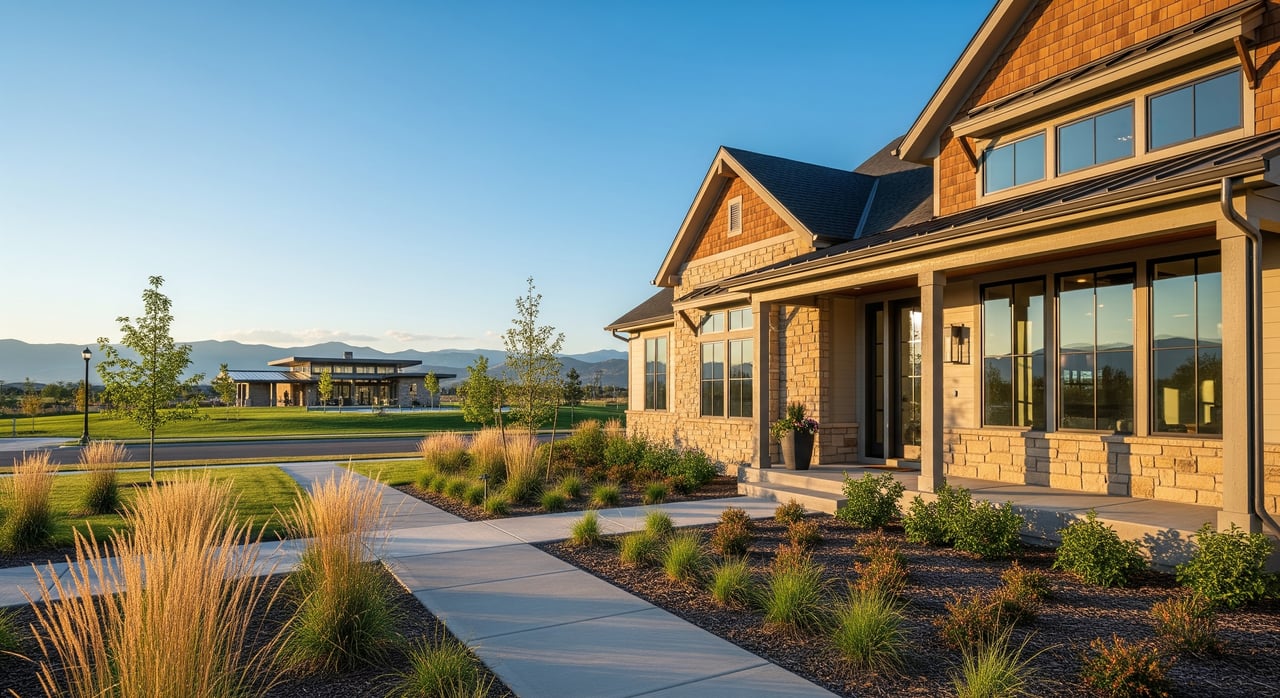
Selling in Water Valley or RainDance and not sure how to price against shiny new builds down the street? You are not alone. In Windsor’s master‑planned communities, active builders, incentives, and phase releases can make pricing feel like a moving target. In this guide, you will learn how to read comps the right way, calculate a true net effective price, and choose a list‑price strategy that fits your goals and timeline. Let’s dive in.
Why master‑planned pricing is different
Windsor stretches across Weld and Larimer counties and includes popular master‑planned neighborhoods like Water Valley and RainDance. These communities attract buyers who value amenities, newer homes, and convenient access to nearby employment centers. That demand is good news, but it also adds competition when builders release new product.
Inside a single community, value can vary widely by lot type, views, and proximity to amenities. A walkout or view lot can trade higher than a standard lot. HOA features and architectural controls shape buyer expectations and what is truly comparable. Builders also release homes in phases, which can create price clusters that make broad averages misleading.
Your potential buyer may also be deciding between a resale and a new build with a warranty. That is why you need to show not just price, but total value. The right list strategy makes this comparison easy for buyers and defensible for appraisers.
How builder incentives skew comps
In a market with active builders, there are usually two prices in play:
- The headline price on the contract or brochure.
- The effective price after incentives, which is what the buyer truly pays.
Common incentives include closing cost credits, interest‑rate buydowns, and free or discounted upgrades or lot premiums. These reduce the buyer’s economic cost even when the contract price looks high. Model home sales can also confuse the picture because they often include premium finishes or furnishings that are not standard.
When those new‑build closings are included in your neighborhood stats, median and average prices can swing without reflecting what buyers actually paid after credits. Appraisers will often note and adjust for concessions. If you only look at headline contract prices, your list price could miss the mark.
How to read comps in Windsor communities
Select the right comparables
- Start with closed sales in the same community and phase, ideally within the last 6 to 12 months.
- Prioritize the same or very similar floor plan and the same lot type, such as walkout versus standard.
- If resales are scarce, consider adjacent phases or a nearby subdivision with similar product, then apply clear adjustments.
- Flag model or spec home sales with large credits or unique inclusions. Note them separately so they do not distort your core comparison set.
Adjustments that matter
- Age and construction date. Newer homes tend to command a premium due to new systems and warranties. Older resales may need a downward adjustment unless they have recent, high‑quality renovations.
- Square footage and functional utility. Compare finished square feet consistently. Apply a local price per finished square foot only to truly comparable finished areas, including basements when relevant.
- Lot premium. Treat lot attributes separately from house size. Views, cul‑de‑sac positions, and larger lots often carry distinct dollar values.
- Upgrades and finishes. Itemize major upgrades like kitchen renovations, HVAC, roofing, or a finished basement. Estimate their replacement value and reflect that as a dollar adjustment rather than only relying on price per square foot.
- Incentives and concessions. Translate builder incentives into a dollar figure and subtract from the headline price when comparing to a resale. For rate buydowns, use the builder’s documented dollar contribution from the closing statement.
- Time. If the market is moving, apply a time adjustment to reflect appreciation or softening since the comparable closed.
Calculate the net effective price
Use this simple approach to compare new builds and resales on equal footing:
- Net effective price = Contract or closed price minus documented monetary incentives or concessions minus seller‑paid closing costs or equivalents plus any buyer‑paid closing cost credits that increased the contract price.
This calculation brings headline pricing back to the buyer’s true cost. It also aligns your analysis with how many appraisers treat concessions.
Example math to illustrate the concept:
- Builder headline price: 700,000
- Incentives: 20,000 closing cost credit, 15,000 rate buydown contribution, 10,000 in included upgrades
- Net effective price: 700,000 − 20,000 − 15,000 − 10,000 = 655,000
If your resale is comparable in plan, lot, and finish, pricing near 655,000 positions you directly against the builder’s net cost. If your lot or finishes are superior, you may justify more. If speed matters, you might price slightly below to drive traffic.
Comp vetting checklist
For each comparable, ask:
- Was it an arms‑length sale, not a transfer or gifted transaction?
- How many dollars of incentives or seller credits appear on the closing statement?
- Was it a model or spec home with nonstandard inclusions?
- Is the lot type, orientation, and proximity to amenities comparable?
- Are finished basements, garages, and attached structures similar?
- Were there nonstandard concessions beyond commission, such as prepaid HOA dues or transfer fees?
- Do county records or plat maps indicate lot premiums, assessments, or phase differences that affect value?
List‑price strategies that work
There is no one‑size‑fits‑all answer. Choose a strategy that aligns with your home’s strengths and your timeline.
Price slightly below adjusted competition
- When to use. You want strong early traffic and the possibility of multiple offers.
- Pros. You increase exposure and position your resale as high value against new builds. This often overcomes buyer bias toward new construction.
- Cons. You could leave money on the table if the market is less active or if you undercut too far without a plan to let demand lift the final price.
Match the builder net effective price
- Method. Determine the builder’s net effective price by subtracting incentives from the headline number, then price your resale near that figure.
- Pros. Buyers see clear parity on the total cost. You can highlight immediate move‑in, mature landscaping, and completed upgrades.
- Cons. Builders may still compete with financing packages or temporary promotions, so expect to address that in negotiations.
Price above builders for differentiation
- When to use. Your lot is unique, your finishes are premium, or you have a rare floor plan or renovation that builders cannot replicate right now.
- Pros. You capture buyers who value features that new builds cannot offer in this phase or at this price point.
- Cons. The buyer pool is smaller. Be ready for longer days on market and to defend value with documentation.
Use targeted concessions instead of cuts
- Consider a specific closing cost credit, a one‑year home warranty, or covering HOA transfer fees. Be clear in your marketing so agents can compare net effective prices.
- Offer flexible possession or closing terms that are valuable to buyers. This can be worth more than a price reduction for some clients.
- Remember to track any concessions, since they roll into the net effective price when buyers compare your home to a builder’s offer.
Marketing and timing tips
- Lead with net‑effective comparisons in your materials. If your price equals the builder’s net after incentives, say so clearly and accurately.
- Emphasize real advantages over new construction. Immediate occupancy, established landscaping, and completed upgrades can offset the appeal of a builder warranty.
- Watch the calendar. Spring and early summer often bring more buyers. If a major builder event or promotion is coming, consider launching before it or adjust concessions to stay competitive.
Appraisals, negotiation, and documentation
When you price above recent resales, prepare a concise packet for appraisers and buyer agents. Include your adjusted comparable analysis with a net effective price comparison, plus invoices for significant upgrades and notes on lot premiums. Keep recent builder pricing sheets and closed sales with documented incentives if available.
During negotiations, present your net proceeds after any proposed concessions so buyers see the full picture. If an appraisal comes in short, you will be ready with support for your value, including back‑up comps and clear explanations of differences in lot, finish, and concessions. Clean documentation helps you resolve appraisal questions faster and reduces the chance of a deal falling apart.
Quick examples from Water Valley and RainDance
- Water Valley example. You are competing with a phase release that includes closing cost credits and a rate buydown. You gather several recent builder closings, note concessions, and calculate net effective prices. You adjust three nearby resales for lot and finish, then list near the builder net to capture buyers comparing total cost.
- RainDance example. You have a premium view lot and a full renovation with high‑end finishes. You itemize upgrade invoices, quantify the lot premium, and select the closest closed comps even if one is from an adjacent phase. You price above builder offerings and focus marketing on features that cannot be replicated right now.
What to do next in Windsor
- Pull current data. Review recent activity in your phase and community, including any recorded concessions on closed deals.
- Do the math. Convert builder incentives into dollars and calculate the net effective prices you are competing against.
- Build your comp set. Prioritize same plan, lot type, and finish. Apply clear adjustments where needed.
- Choose your strategy. Decide whether to price slightly below adjusted competition, match the builder net, or ask a premium based on differentiation.
- Prepare your support. Collect upgrade invoices, HOA details, and any builder materials that help validate your position.
Ready to price with confidence, market with clarity, and negotiate from strength? Connect with a local boutique team that understands Water Valley, RainDance, and the nuances of Windsor’s master‑planned communities. To start a tailored analysis and see how your home stacks up today, Get Your Home Value with Scallon Real Estate.
FAQs
How should Windsor sellers compare a resale to a new build with incentives?
- Use a net effective price by subtracting documented incentives and seller credits from the builder’s headline price, then compare that figure to your adjusted resale comps.
What counts as a builder incentive when evaluating comps in Water Valley and RainDance?
- Common incentives include closing cost credits, interest‑rate buydown contributions, and free or discounted upgrades or lot premiums, all of which reduce the buyer’s true cost.
How do I adjust for lot premiums and upgrades in Windsor master‑planned neighborhoods?
- Separate the lot’s value from house size and itemize major upgrades, then translate each into a dollar adjustment rather than relying only on price per square foot.
What if there are very few recent resales in my phase of a Windsor community?
- Expand to adjacent phases or similar nearby subdivisions, apply clear adjustments, and note any nonstandard builder or model sales that could distort results.
How can I reduce appraisal risk when listing above recent resales in RainDance or Water Valley?
- Prepare an adjusted comparable analysis with net effective price comparisons, include invoices for upgrades and lot premiums, and keep recent builder pricing and closing details.
Should I lower my list price or offer concessions when competing with active builders in Windsor?
- Consider targeted concessions like a closing cost credit or flexible possession first, ensure they are clearly disclosed, and compare the net effective price to builder offers.