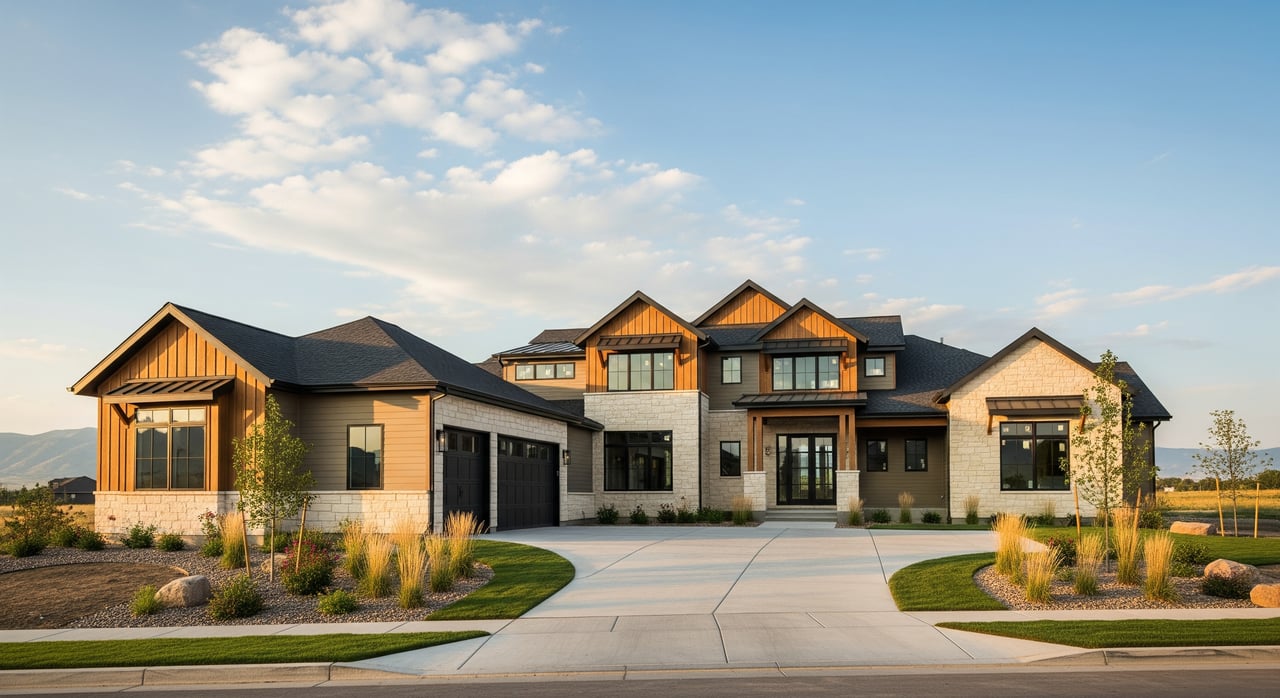
Thinking about building a new home in Windsor? You want more space, modern features, and a smooth move that fits your family’s schedule. The path from picking a lot to getting your keys can be straightforward when you know what to expect. In this guide, you’ll learn how new construction works in the Windsor area, what to budget, how timelines play out, and where a local agent can save you time and money. Let’s dive in.
Windsor new construction basics
Choosing a lot in Windsor starts with understanding jurisdiction. The Town of Windsor spans both Larimer and Weld counties, and whether your lot sits inside Town limits or in unincorporated Weld County determines who issues permits, performs inspections, and enforces building codes. Always verify jurisdiction early so you know which process and fees apply.
Plan for permit steps and inspections. New single-family builds typically go through a sequence that includes foundation, framing and rough-in checks, insulation, and final inspection before a Certificate of Occupancy. Builders usually handle permits for spec and production homes. Custom projects may involve your contractor.
Expect impact and tap fees. New subdivisions often include park, school, road, and water or sewer tap fees. These costs may be built into the base price or shown as separate line items at closing. Many neighborhoods also have HOAs with design review rules. Review CC&Rs and budget for dues early so there are no surprises.
Step-by-step: from lot to move-in
Choose your lot and plan
- Decide among a specific lot in a new community, a spec home already underway, or a lot-plus-plan for a custom build.
- Clarify any lot premiums for a corner location, walkout basement, larger yard, or open space behind the home.
- Confirm utilities, grading, special assessments, floodplain status, and HOA restrictions before you sign.
Sign the builder contract
- The purchase agreement locks in the lot, floor plan, base price, and deposit schedule.
- You will get deadlines for structural choices and finish selections. Missing a deadline can limit choices or increase cost.
- Some builders use allowances for items like appliances or counters. Any overage becomes your responsibility.
Pre-construction and start of work
- After plans and permits are approved, the builder prepares the site, stubs utilities, and pours the foundation.
- Spec homes may progress faster. Pre-sale builds can take longer while a phase’s infrastructure is completed.
Build milestones and touchpoints
- Framing and rough-ins come first, followed by insulation and drywall. This is the ideal time for a pre-drywall inspection.
- Interior finishes like cabinetry, counters, flooring, and paint follow. Expect a builder quality check as completion nears.
- You will do a final walkthrough to document a punch list of items to fix before or shortly after closing.
Final steps and move-in
- The municipality issues a Certificate of Occupancy after all required inspections are passed.
- Closing can mirror a resale, but builders sometimes use holdbacks or escrows for incomplete items identified on the punch list.
- After move-in, a limited workmanship warranty and longer structural coverage typically apply. Follow the builder’s process for any claims.
Contracts and financing essentials
Builder contracts vs resale
- Builder agreements are proprietary and often include staged deposits and nonstandard refund rules. They can be less negotiable than standard resale forms.
- Change orders are allowed but often carry markups and admin fees. Get all pricing and deadlines in writing.
- Some builders allow early occupancy with funds held in escrow for unfinished items. Know the terms before you agree.
Financing options and timing
- Most production or spec homes use standard mortgage financing at closing. Custom or build-from-scratch projects may require a construction or construction-to-permanent loan.
- Builders may offer incentives for using a preferred lender. Compare total costs, not just the incentive, so you choose the best fit.
- Appraisals and completion status can affect closing timing. Stay aligned with both builder and lender on timing expectations.
Timelines in Northern Colorado
- Spec homes can often close in 30 to 60 days.
- From breaking ground to move-in, a typical range is 4 to 9 months, depending on builder backlog, weather, and customization level.
- Complex or fully custom homes can take 9 to 18 months. Inspection queues and subcontractor availability can extend timelines.
Options, packages, and costs
- Structural options: garage size, basement finish, bump-outs, vaulted ceilings.
- Kitchen/bath upgrades: higher-end cabinets, quartz or granite counters, backsplashes.
- Mechanical upgrades: HVAC enhancements, tankless water heaters, water softeners.
- Exterior/lot: covered patios, siding upgrades, fencing, landscaping packages.
- Finish packages: flooring, trim, and lighting. Plan a 5 to 10 percent buffer for unexpected upgrades or changes.
Inspections you control
- Municipal inspections confirm code compliance, not overall quality. Hire an independent inspector.
- A pre-drywall inspection catches issues while walls are open. A final inspection plus the builder walkthrough creates a strong punch list.
- Document all items in writing and track resolution through the builder’s warranty team.
Warranties and post-closing service
Many builders provide about a one-year workmanship warranty and separate structural coverage that can extend up to 10 years through a third-party provider.
Follow the builder’s claim procedures and timelines. Keep records of all communication and repairs.
What to budget beyond the base price
- Lot premium for location or lot size.
- Options and upgrades across structure, finishes, and systems.
- Landscaping and fencing if not included.
- HOA initiation fees and ongoing dues.
- Impact and utility tap fees if not included in base price.
- Window coverings and any additional appliances or fireplace features.
Timeline planning for families
If you need to move around a school calendar, consider a spec home for quicker closing.
Ask the builder for a written schedule with contingencies. Weather, labor, and inspection availability can shift dates.
Keep a backup plan such as short-term housing or a lease overlap in case of delays.
How a local agent adds value
Contract and pricing strategy
- Review deposits, refund rules, and deadlines so you avoid costly missteps.
- Compare lot premiums and base pricing to recent resales and neighborhood absorption trends.
Options and allowance guidance
- Set a realistic total budget by modeling the options most families choose, like a finished basement or covered patio.
- Identify where to invest for livability and long-term value.
Inspection and warranty support
- Get referrals for inspectors who know new construction and perform pre-drywall and final inspections.
- Track punch lists and warranty items, with help escalating unresolved issues when needed.
Local rules and utilities
- Navigate Town of Windsor vs Weld County processes, inspection timing, and utility tap scheduling.
- Pull CC&Rs and HOA budgets early so you understand landscaping and maintenance expectations.
Timing and contingency planning
- Align your sale and purchase, appraisal timing, and loan milestones with build progress.
- Choose between a spec home or a start-from-scratch build based on your family’s move window.
Ready to explore new construction in Windsor with a partner who understands both the local process and the family priorities that matter most? Reach out to Scallon Real Estate for clear guidance from lot selection through closing and beyond.
FAQs
How long does a new build take in Windsor?
- Spec homes often close in 30 to 60 days. From breaking ground to move-in, plan on 4 to 9 months for most production builds, and 9 to 18 months for heavily customized or full custom homes.
Are builder deposits refundable in Windsor new construction?
- It depends on the contract. Many builders use staged deposits and some portions become nonrefundable after certain milestones. Have an agent or attorney review the agreement before you sign.
Do I need an independent inspector for a brand-new home?
- Yes. Municipal inspections check code compliance, not overall quality. Hire an inspector for pre-drywall and final checks to catch issues early.
What should I budget beyond the base price of the home?
- Plan for lot premiums, options and upgrades, landscaping and fencing, HOA fees, possible impact or tap fees, window coverings, and any extra appliance or fireplace features.
What warranties come with a new home in Windsor?
- Many production builders offer about a one-year workmanship warranty and longer structural coverage, often through a third-party provider. Follow the builder’s process and timelines for any claims.
Should I use the builder’s preferred lender?
- Not automatically. Preferred lenders can offer valuable incentives, but you should compare rates, fees, and total cost with independent lenders to choose what is best for you.