Thinking about heading north from Northern Colorado for more space and a different pace of life? Southern Wyoming can feel close on a map, but day-to-day living there is meaningfully different from Fort Collins and the Front Range. If you are weighing a move, this guide will help you understand the lifestyle, housing patterns, commute realities, and seasonal rhythm of the Laramie County corridor. Let’s dive in.
Southern Wyoming Feels More Open
For buyers in the 80526 area, southern Wyoming is best understood through Laramie County, the Wyoming county directly north of Larimer County. It is a large, spread-out area with 101,783 residents in 2024 across 2,685.86 square miles, centered on Cheyenne, which had 65,704 residents. Smaller communities are much smaller, including Pine Bluffs with 1,172 residents.
That scale shapes how the region feels. Instead of a chain of dense suburbs, daily life tends to revolve around one main service center in Cheyenne, with more open land and fewer distinct urban pockets in between. If you are used to the more segmented layout of Northern Colorado, southern Wyoming often feels looser, quieter, and less built up.
Cheyenne Anchors the Region
Cheyenne is the hub for many everyday needs, from shopping and services to events and recreation. Countywide, there were 3,625 employer establishments, $2.436 billion in retail sales, and a mean commute of 17.9 minutes, which supports the idea of a region built around one primary center rather than many separate job hubs.
The city also carries a strong Western identity. Cheyenne highlights downtown events, museums, entertainment, recreation, and Cheyenne Frontier Days, giving the area a small-city feel with a historic and outdoor-oriented character. If you want an active downtown without the size and traffic of a larger Colorado city, that can be part of the appeal.
Housing Offers Space and Flexibility
Housing in Laramie County tends to lean owner-occupied and low-rise. The county reports a 70.8 percent owner-occupancy rate, a median owner value of $324,900, median monthly owner costs with a mortgage of $1,823, and median gross rent of $1,080.
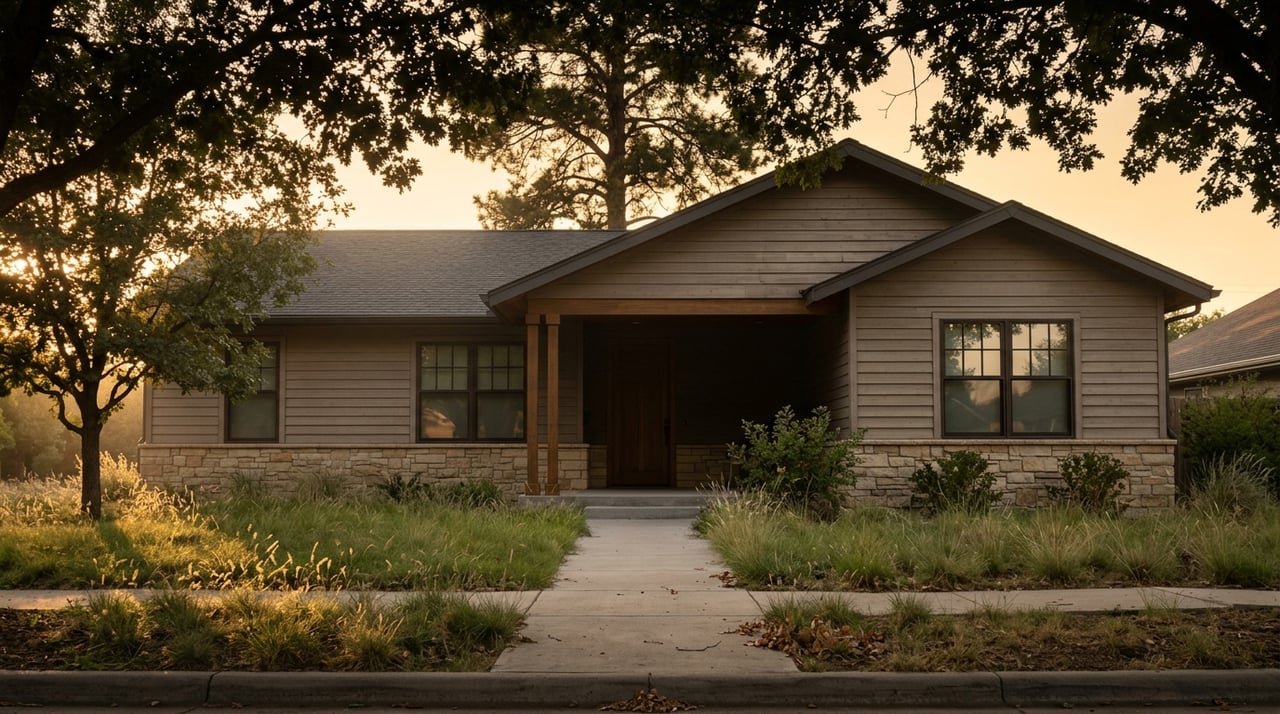
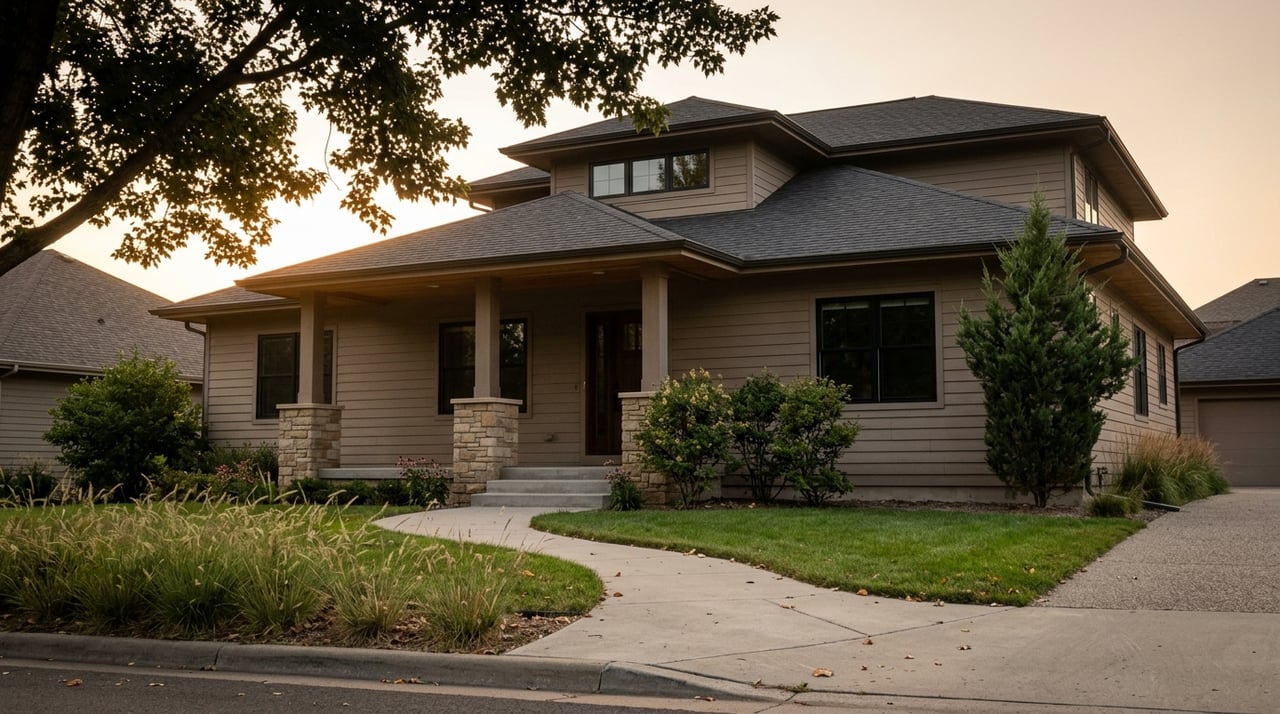
Local land-use rules allow a wide range of housing types in certain districts, including single-family homes, duplexes, triplexes, manufactured homes, accessory dwelling units, accessory living quarters, townhouses, and multi-family homes. In practical terms, that supports a housing landscape where detached homes, larger lots, and extra outdoor space are common compared with more apartment-heavy areas.
For buyers comparing southern Wyoming with the Front Range, the biggest difference is often how spread out the options are. You may find housing variety, but it is usually set within a looser urban pattern with fewer walkable pockets and fewer listings in smaller towns or rural sections.
Everyday Life Is Less Dense
One of the biggest lifestyle shifts is how daily errands and routines work. In a lower-density region, shopping, appointments, and recreation may not be clustered as tightly as they are in larger Colorado metros. That can feel refreshingly simple if you want more breathing room, but it can also mean more planning.
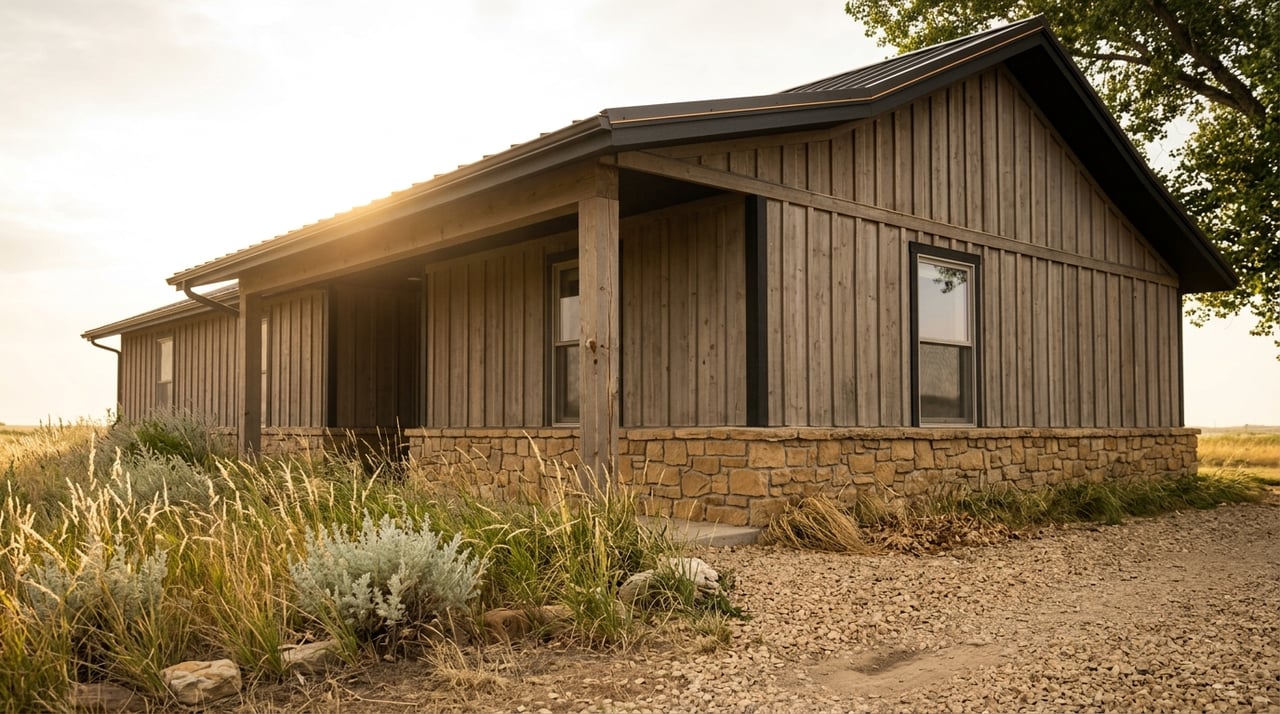
The county’s density was 37.4 people per square mile in 2020, which reinforces that open, high-plains feel. If your ideal home includes more yard space, room for outbuildings, or a less crowded setting, southern Wyoming may line up well with what you want.
Commutes Can Be Short Locally
If you live and work within Laramie County, commute times are generally modest. Cheyenne’s mean travel time to work was 16.0 minutes, and Laramie County’s was 17.9 minutes, which is short by many metro standards.
That said, those numbers do not reflect a regular commute into Fort Collins, Windsor, or other Northern Colorado job centers. If you plan to work south of the state line, you should think of the drive as a highway commute, not a quick local trip. Mileage is only part of the story.
Cross-Border Travel Takes Planning
Because Laramie County borders Larimer County, many buyers naturally compare the two for work and lifestyle. The border may be close, but frequent in-person travel between southern Wyoming and Northern Colorado depends on route planning, weather, and road conditions as much as distance.
This matters most if you expect to commute several times a week. A home that looks appealing because of space or price may be a tougher fit if you need dependable daily access to Northern Colorado. Before you move, it helps to weigh not just drive time, but how reliable that drive feels in real life.
Winter Roads Are Part of the Routine
Southern Wyoming residents often keep a close eye on weather and road reports in winter. Wyoming’s official 511 system tracks road surface conditions, travel advisories, temporary and seasonal closures, current weather, and short-term forecasts.
Laramie County’s snow-and-ice policy also notes that severe winter storms can delay service. For you, that means winter road monitoring is not an occasional habit. It is part of everyday life during the colder months, especially if you drive between Wyoming and Colorado.
The Climate Is Dry and High-Plains
Cheyenne sits at about 6,130 feet and has a cool, semi-arid high-plains climate. Weather normals show an annual mean temperature of 46.5 degrees, annual precipitation of 15.94 inches, and annual snowfall of 60.3 inches.
Winter is cold, but summers are warm without the humidity many people associate with other parts of the country. Average highs are about 39.5 degrees in January, 40.5 degrees in February, and 83.4 degrees in July. If you prefer dry air and distinct seasons, that climate can be a strong positive.
Seasons Shape Daily Habits
The climate affects more than what you wear. Long dry stretches, cold winters, and regular snowfall make vehicle prep, snow removal, and weather timing part of normal homeownership and travel planning.
For some buyers, that is an easy trade for open land and a quieter pace. For others, especially anyone with a frequent cross-border commute, the weather may be one of the most important practical factors in the decision.
Recreation Is a Big Part of Life
Southern Wyoming offers a lifestyle with strong ties to outdoor recreation and local events. The City of Cheyenne maintains the Greater Cheyenne Greenway, with 47 miles built as of 2024, giving residents a major local trail system for walking, biking, and everyday recreation.
Beyond town, Curt Gowdy State Park adds another outdoor option with three reservoirs and 178 campsites near the I-25 and I-80 corridor. If you enjoy time outside and want recreation to be part of your weekly routine, that can be a meaningful lifestyle advantage.
Cheyenne Has a Strong Western Identity
Culture matters just as much as square footage. Cheyenne Frontier Days is promoted as the world’s largest outdoor rodeo and Western celebration, and the city also emphasizes museums, entertainment, and downtown activity.
That creates a setting that feels distinct from many Front Range communities. If you are drawn to a more historic Western atmosphere with a small-city scale, southern Wyoming can offer a lifestyle that feels both active and grounded.
Who Southern Wyoming Fits Best
In broad terms, southern Wyoming tends to fit buyers who want more space, a quieter daily tempo, and an outdoor-oriented lifestyle. It can be especially appealing if you like detached homes, larger lots, and a region where open land still shapes the character of daily life.
At the same time, it may be less appealing if you want dense urban amenities, many walkable neighborhood options, or a simple commute into Northern Colorado without weather concerns. The best fit often comes down to how you balance space, convenience, and your tolerance for seasonal travel challenges.
What Northern Colorado Buyers Should Compare
If you are comparing southern Wyoming with homes in Windsor, Fort Collins, or nearby Northern Colorado communities, focus on the practical pieces first. Think about where you work, how often you need to cross the state line, and what kind of daily setting feels right for your household.
A helpful comparison checklist includes:
- Your expected commute pattern
- Winter driving comfort level
- Preference for larger lots or more connected neighborhoods
- Need for nearby shopping and services
- Interest in outdoor recreation and community events
- Comfort with a smaller-city and rural-leaning regional layout
If those tradeoffs sound appealing, southern Wyoming may be worth serious consideration as part of your broader home search.
Whether you are comparing homes in Northern Colorado or exploring occasional opportunities farther north, working with a local team that understands the cross-border lifestyle can make the process a lot clearer. If you want help weighing your options, connect with Scallon Real Estate.
FAQs
What is southern Wyoming like for Fort Collins-area buyers?
- For many Fort Collins-area buyers, southern Wyoming means the Laramie County corridor north of Larimer County, with a more open, lower-density setting centered on Cheyenne.
What is housing like in Laramie County, Wyoming?
- Housing in Laramie County is largely owner-occupied and low-rise, with common options including single-family homes and other low-density housing types allowed in certain districts.
What is the commute from southern Wyoming like?
- Local commutes within Cheyenne and Laramie County are relatively short on average, but trips into Northern Colorado should be treated as highway commutes that require planning.
What is the weather like in Cheyenne, Wyoming?
- Cheyenne has a cool, semi-arid high-plains climate with dry conditions, cold winters, warm summers, about 15.94 inches of annual precipitation, and about 60.3 inches of annual snowfall.
What are some things to do in southern Wyoming?
- Residents have access to downtown events, museums, entertainment, the Greater Cheyenne Greenway, Curt Gowdy State Park, and annual events like Cheyenne Frontier Days.
Is southern Wyoming a good fit for buyers leaving Northern Colorado?
- Southern Wyoming can be a strong fit if you want more space, a quieter pace, and an outdoor-oriented setting, but it may be less ideal if you need dense amenities or a highly reliable daily commute into Northern Colorado.